


A recent blog post by Katya Andresen reminded us of the power of a photo.
Reporting on the research of Roger Dooley, Katya demonstrates that including a photo with your message can indeed make it more persuasive.
Photos are certainly powerful—but not all photos are created equal. We see too many nonprofits breaking the basic rules of high-impact photography by using boring, unimaginative photography.
We understand why it happens:
- Your event chair insists you shoot photos of her friends on the dance floor at your gala. And since the event she helmed just raised a huge sum to support your organization’s work, it’s hard to say no when she wants the photos included in your annual report.
- Your program manager took a group photo of the 250 kids at your summer camp for at-risk youth. She’ll be heartbroken if you don’t put it in your next newsletter.
- Your executive director wants his picture at the podium accepting a check from your newest corporate sponsor. And he’s your boss so you have to use it.
Despite internal pressure to use boring photos, you can make sure that your colleagues get what they want—and that your photos aren’t sleep-inducers.
Check the short list below. We’ve summarized what makes for good photography, no matter your budget limitations.
- Group shots only work if the group is small (2-3 people) and the picture focus is on faces. Seeing full figures tends to disengage the viewer, as opposed to seeing figures from the waist-up.
- Close-ups of faces are the most compelling. This creates an immediate connection between the reader and the subject.
- Close-ups of anything else are the next best thing. A subject that is clear and easy to understand does the work for the reader so she doesn’t have to.
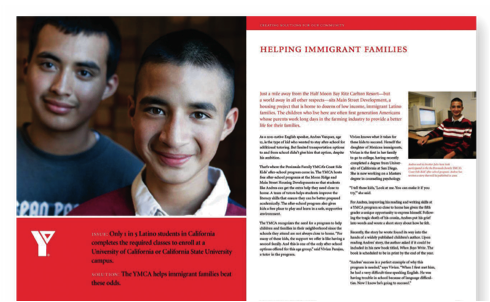
It doesn’t always require a professional photographer to get great shots.
Review your stock of photography, weed out the boring photos, and replace them with images that truly pop. You can trust that you’re taking a step towards stirring up more interest in your organization’s work and impact.


